


Description
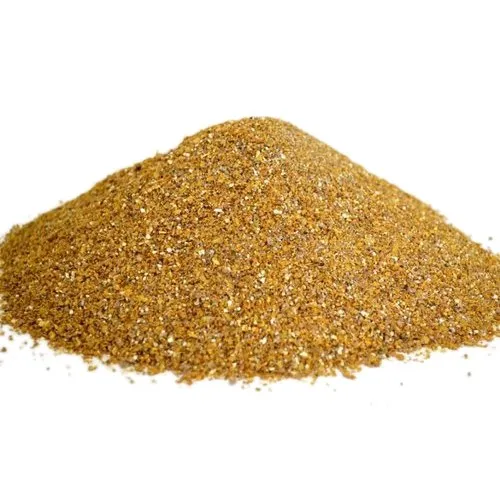
Phytase is an enzyme which hydrolyses phytic acid to inositol and inorganic phosphorus, leading to improved phosphorus utilisation and overall performance of broilers. Phytic acid is a compound found in plants that stores phosphorus (P) in a highly stable form and also binds with various nutrients including minerals, proteins, starches, and lipids. Many plant-based ingredients commonly added in the diets of terrestrial and aquatic animal feeds are high in phytic acid. The enzyme phytase degrades phytic acid and can be used as an effective pretreatment to ingredients or directly included as a safe supplement in animal feeds to reduce these harmful effects. Phytase is available in dispersible micro – granulated and powder form. In order to improve the thermo stability of phytase, it has been specially presented in coated granular form. Since the granules are dispersible, they provide more easy bio availability of phytase to the feed.
Advantages & Functions of Phytase
- Phytase supplementation in the feed increases the plant phosphorus utilization in the chick’s intestine and also reduces phosphorus losses in excreta (40%)
- Hydrolysis of phytin improves the overall nutritive value of diet through better utilization of trace minerals, proteins, carbohydrates
- The apparent digestibility of essential amino acids is increased with phytase supplementation
- Phytase supplementation to a low phosphorus diet increases retention of total phosphorus, calcium, copper, magnesium, manganese and zinc thereby increasing availability of these essential mineral elements in layer’s / chicken diet
- The daily requirement of calcium can be reduced by 33% in diets supplemented with phytase
Some of the important functions of FV phytase are:
- Generally, phytase greatly improves mineral digestibility in animals, but its effects as a growth promoter are highly variable
- The enzyme phytase degrades phytic acid and can be used as an effective pretreatment to ingredients or directly included as a safe supplement in animal feeds to reduce these harmful effects.
- Inclusion of phytase in the mono-gastric diet is increased nutrients bioavailability and reduces the excessive accumulation of P in the manure that causes environmental issues including water pollution, algal blooms, fish death, changing fauna and flora.
- Increasing phytic acid degradation and the availability of plant phosphorus can have major benefits for poultry and swine producers, including:
- Reduced feed costs due to lower inclusion of inorganic phosphorus in diet, better sustainability of animal production
- Improved performance
Reviews
There are no reviews yet.